
Raise Them Up with Dance
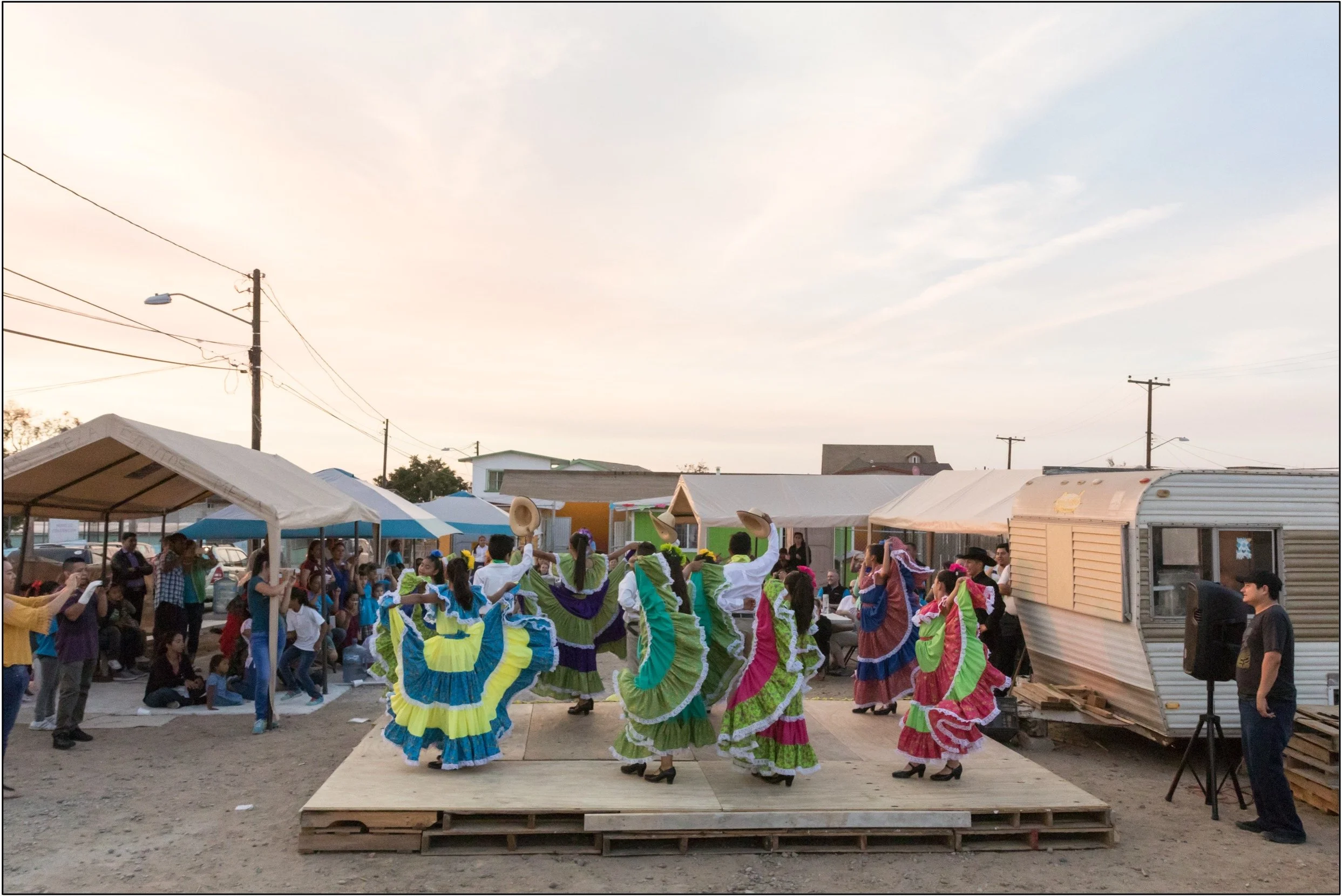
Over the last several years, Doxa has diversified and grown its community programs. These include everything from summer camps, sports, arts & crafts workshops, parenting classes, counseling, soup kitchens, large events, and dance groups. Every week, there is a mix of these activities happening that brings people through our doors. Doxa’s dance group, called Yelitza, has experienced the most growth over the past year and I recently talked with its teacher, Sabino, as to why.
Sabino started Yelitza about 9 years ago. He says that “at that time, it was just a hobby and activity to engage kids who didn’t have another constructive outlet.” Today, Yelitza has three different groups: kids (16 students), youth (12 students), and adult (27 students). They have performed all over Tijuana and even in San Diego. Sabino lined up over 40 presentations this year. Some were in local churches or schools, performed in the street with smaller audiences. Others were in professional venues or large outdoor events with thousands in attendance. Doxa’s dance group is known all over Tijuana and Sabino as its instructor.
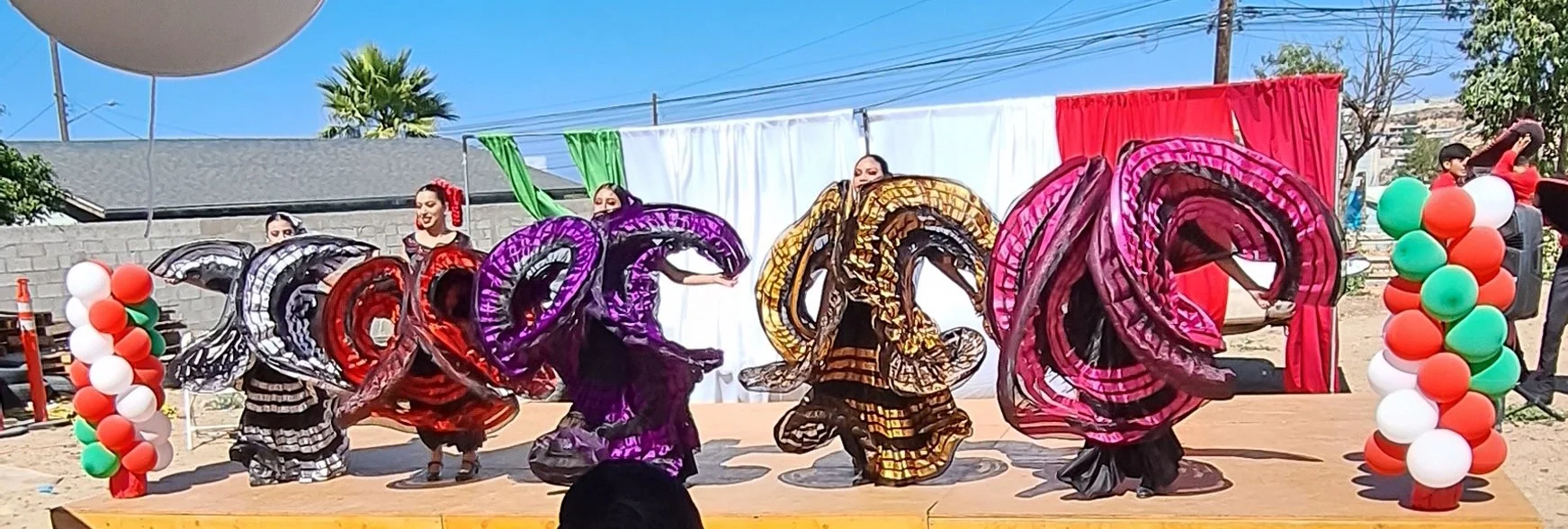
Sabino keeps the dance groups busy, adding at least one new choreographed dance into the rotation each year. This may not sound like much, but each dance requires months of preparation. Sabino must research the new dance, understand where it comes from, adapt choreography as needed, teach and re-teach to students, and get appropriate clothing made for all dancers.
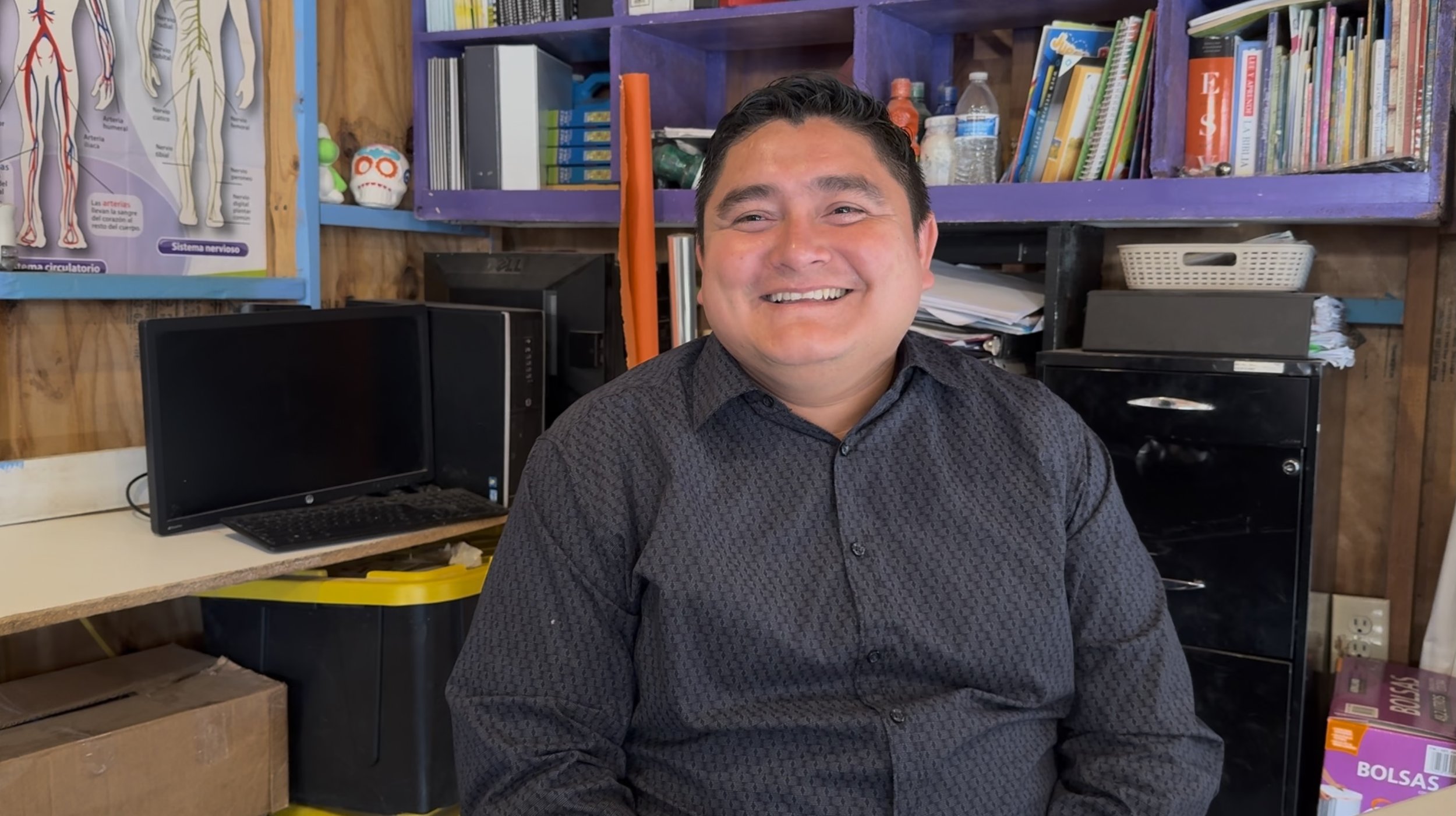
Learning traditional Mexican dances is also a great way for history to come alive. With changing curriculums and performance metrics in Mexico, much of its cultural and arts history is no longer taught in the classroom. Sabino helps these to come alive to students through the regional dances he picks.
When asked to explain Yelitza, Sabino doesn’t really mention dance. Instead saying “it’s just a method of forming and raising up youth that would otherwise be tempted to end up in the streets.” It’s a “safe space to grow and an environment where we put into practice our values.” Sabino’s heart is to come alongside youth and raise them up. He chooses gracefully to live this out through teaching dance at Doxa.
Sabino describes dance classes as “times where students come loaded down with stress and exchange that for joy.” He portrays an escape from school, work, family, and life drama, where students come and get recharged. Then, sent back out into the world.
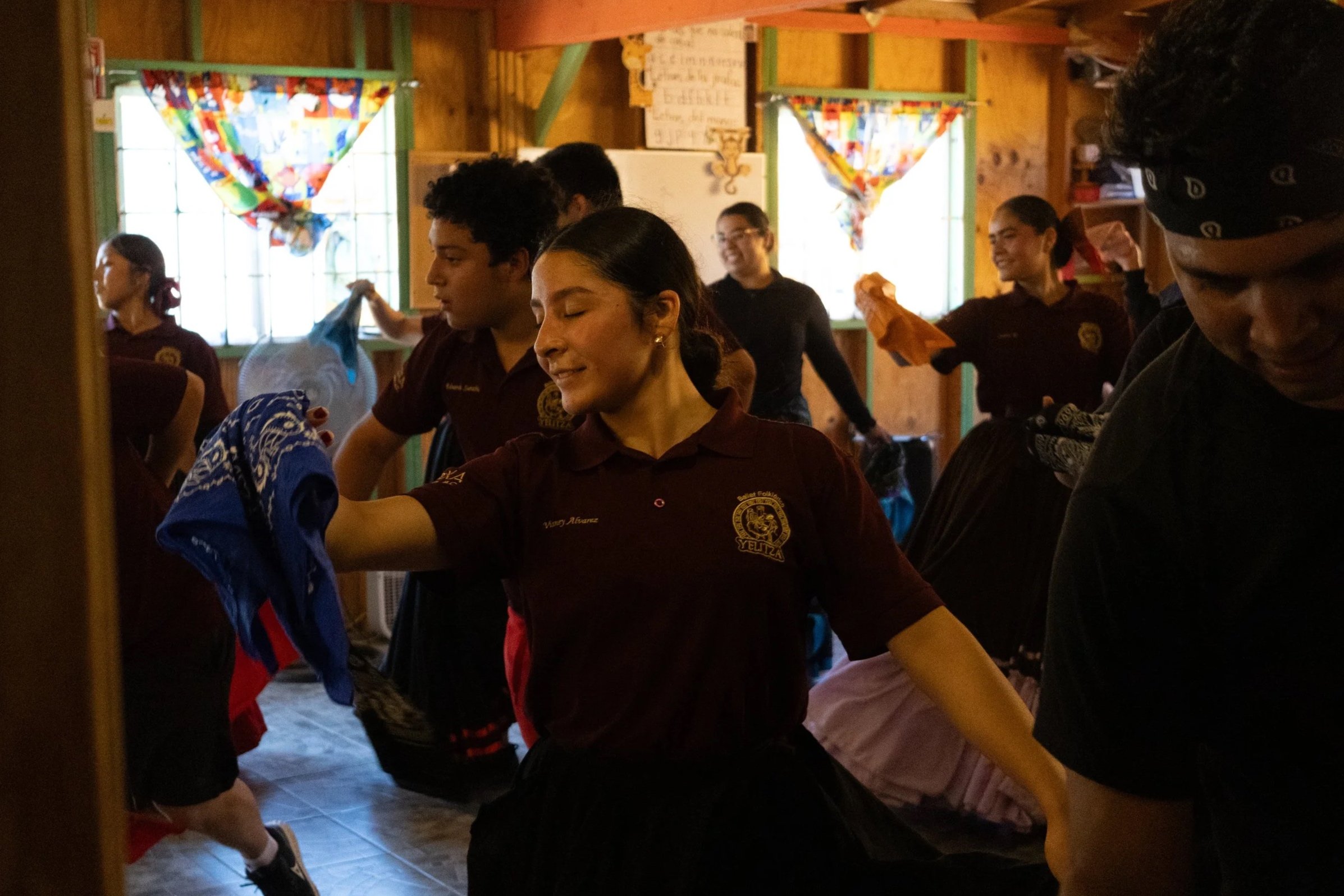
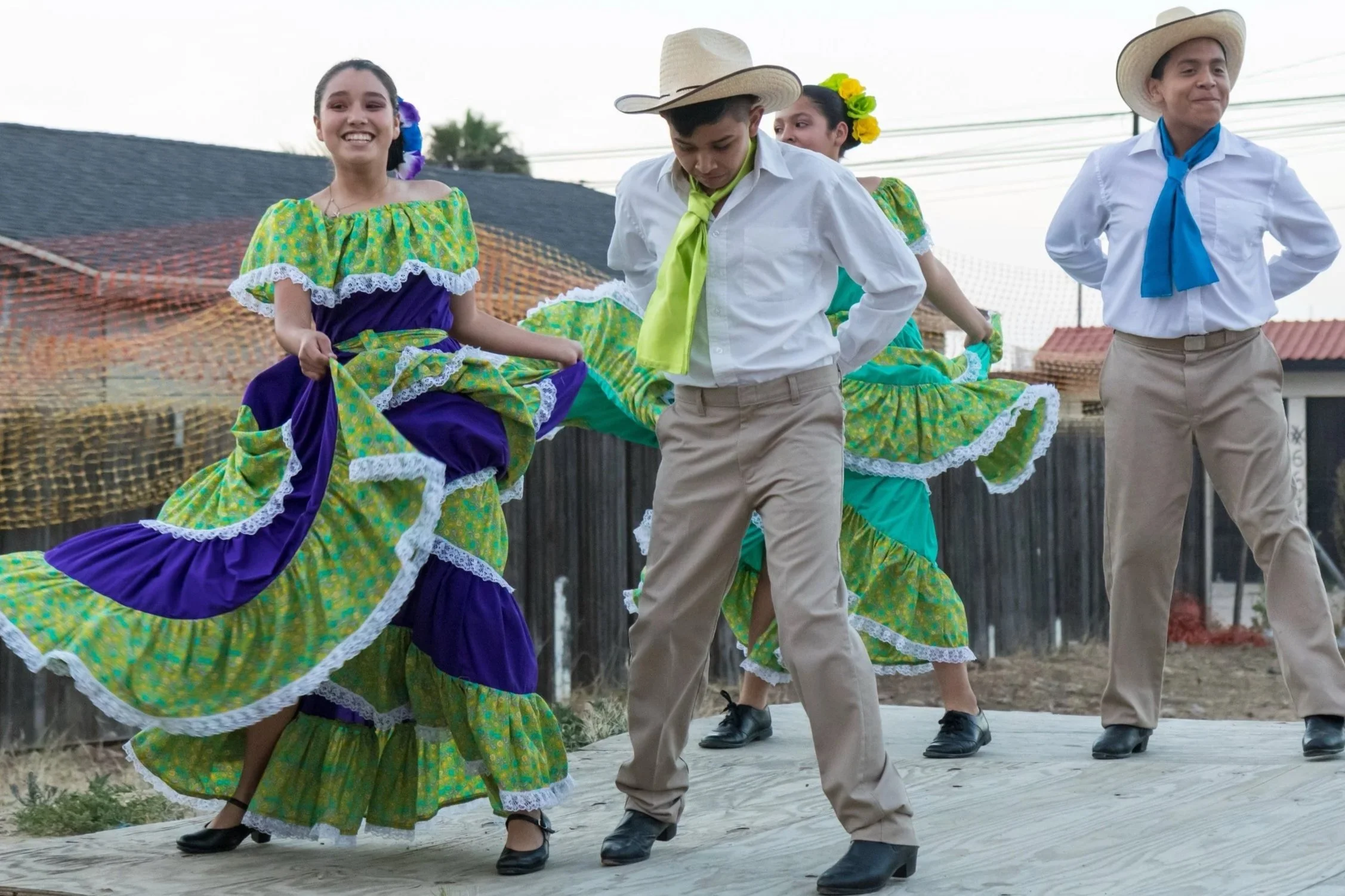
One very hard thing to do is maintain status as a top tier dance group. In large cities, like Tijuana, there are new groups forming all the time and widely-known teachers with decades of experience. Yelitza, however, has been able to maintain its standing and even grow to new heights. We see this because of Sabino’s selfless leadership. He truly wants the best for his students, not just chasing whatever flashy event will bring him the most accolades as an instructor. His students understand his moral commitment to them and their success as people, not just as dancers.
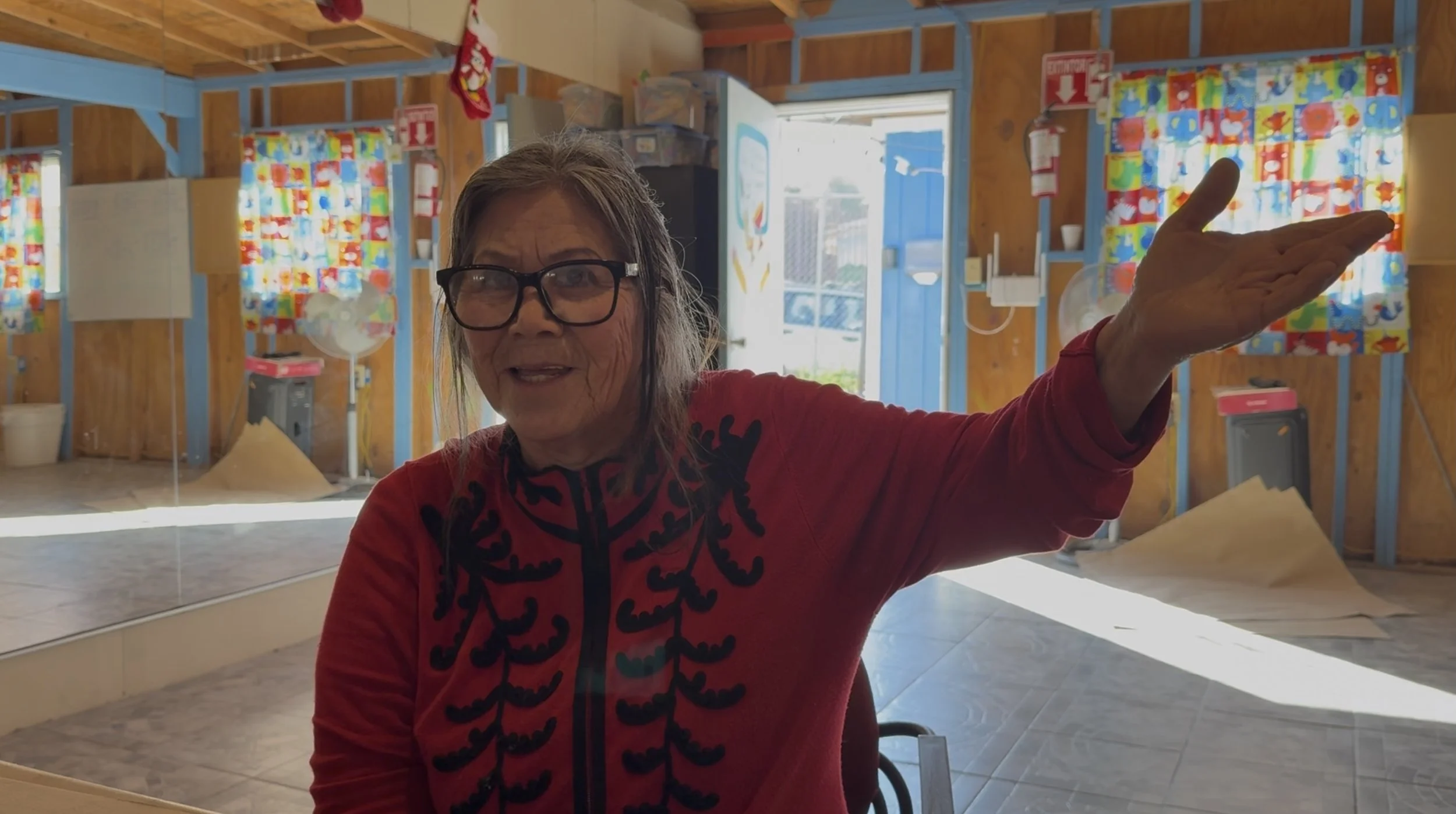
Guadalupe has lived in Pedregal de Santa Julia (Doxa’s neighborhood) for the past 50 years. She’s seen Doxa’s long-term impact and understands moral commitment. She had a hand in bringing schools to the neighborhood, advocating in local government, and improving quality of life. Guadalupe says “the companionship that Doxa brings is what makes the difference.” She sees Doxa as a space for the community to gather and help everyone. Something consistent, that can be counted on; regardless of life circumstance, economic condition, or what political party is in power. Doxa transcends all of that.
Guadalupe likes to say that we are planting seeds in each of our kids. We don’t know when or how they will sprout, or even if they will bear fruit. But that is in God’s hands.